If you're thinking about advertising your business on Facebook, one of the first questions you'll probably ask is: How much do Facebook ads cost?
It's a fair question. You want to know how much money you need, what results you can expect, and whether Facebook advertising is worth the investment.
The answer isn't as simple as a fixed price per click or a set monthly fee. Facebook advertising costs depend on your industry, audience, campaign objective, competition, and the quality of your ads.
For example, a local restaurant promoting a weekend offer may spend far less to attract customers than a law firm trying to generate qualified inquiries. Both businesses can use Facebook advertising, but their budgets and expected results will look different.
In this guide, we'll break down Facebook ad costs in 2026, including average CPC, CPM, and CPL, explain how to set a realistic advertising budget, and share practical ways to improve campaign performance.
How Much Do Facebook Ads Cost in 2026?
Facebook ads don't have one fixed price. Advertisers compete through Meta's advertising auction, which considers their bids, expected results, and ad quality.
For initial planning, businesses can use the following broad pricing estimates.
| Advertising Metric | Estimated Cost |
|---|---|
| Cost Per Click (CPC) | 4.00 |
| Cost Per 1,000 Impressions (CPM) | 20 |
| Cost Per Lead (CPL) | 55+ |
| Small Testing Budget | 20 per day |
| Monthly Advertising Budget | 3,000+ |
These figures are broad planning estimates, not guaranteed 2026 market averages. Actual costs depend on campaign objectives, industry, location, and competition.
A business running a campaign for website traffic may pay less per click than one focused on generating qualified leads.
Similarly, an ecommerce store advertising low-cost products may have different customer acquisition costs than a company selling high-value services.
The main thing to remember is that cheap clicks don't always mean better advertising performance.
If one campaign brings 500 visitors but no sales, while another brings 100 visitors and five paying customers, the second campaign is likely providing more value.
That's why you should look beyond advertising costs and focus on what your campaigns achieve.
Average Facebook Ads CPM and CPC
Understanding Facebook advertising metrics is important before setting a budget.
Two of the most common metrics are CPC and CPM. They help advertisers measure how much they're paying to attract visitors and reach potential customers.
What Is the Average CPC for Facebook Ads?
CPC stands for cost per click. It measures how much you spend, on average, whenever someone clicks your ad.
For planning purposes, Facebook CPC can range from around $0.30 to $4.00, although some industries and campaign objectives may fall outside this range.
You can calculate CPC using this formula:
CPC = Total Advertising Spend ÷ Total Clicks
For example, imagine your business spends $200 on Facebook ads and receives 250 clicks.
Your average CPC would be:
$200 ÷ 250 = $0.80 per click
That means you paid 80 cents for each click.
But here's where many businesses make a mistake.
They see a low CPC and assume their campaign is performing well.
A low CPC can be useful, but it doesn't tell you whether people are filling out forms, booking appointments, or buying products.
For a business focused on sales, conversion rates and customer acquisition costs matter more than CPC alone.
What Is the Average CPM for Facebook Ads?
CPM stands for cost per thousand impressions. It measures the amount you pay for every 1,000 times your ad appears on someone's screen.
A broad planning range for Facebook CPM is approximately $3 to $20.
CPM = (Total Ad Spend ÷ Total Impressions) × 1,000
For example, if your campaign spends $100 and generates 10,000 impressions:
($100 ÷ 10,000) × 1,000 = $10 CPM
CPM is useful when your goal is to increase brand awareness or introduce your business to a new audience.
However, impressions don't represent unique people. The same person may see your advertisement multiple times.
A low CPM may help your ads reach a wider audience, but you should still monitor engagement, website visits, and conversions to understand whether that reach is valuable.
What Is the Average Cost Per Lead on Facebook?
Cost per lead, commonly called CPL, measures how much your business pays to generate one lead.
A lead might be someone who submits a contact form, requests a quote, signs up for a service, or books a consultation.
Lead costs vary significantly between industries. Some campaigns generate leads for under $10, while others may cost $50 or more.
Consider a local home improvement company running Facebook ads.
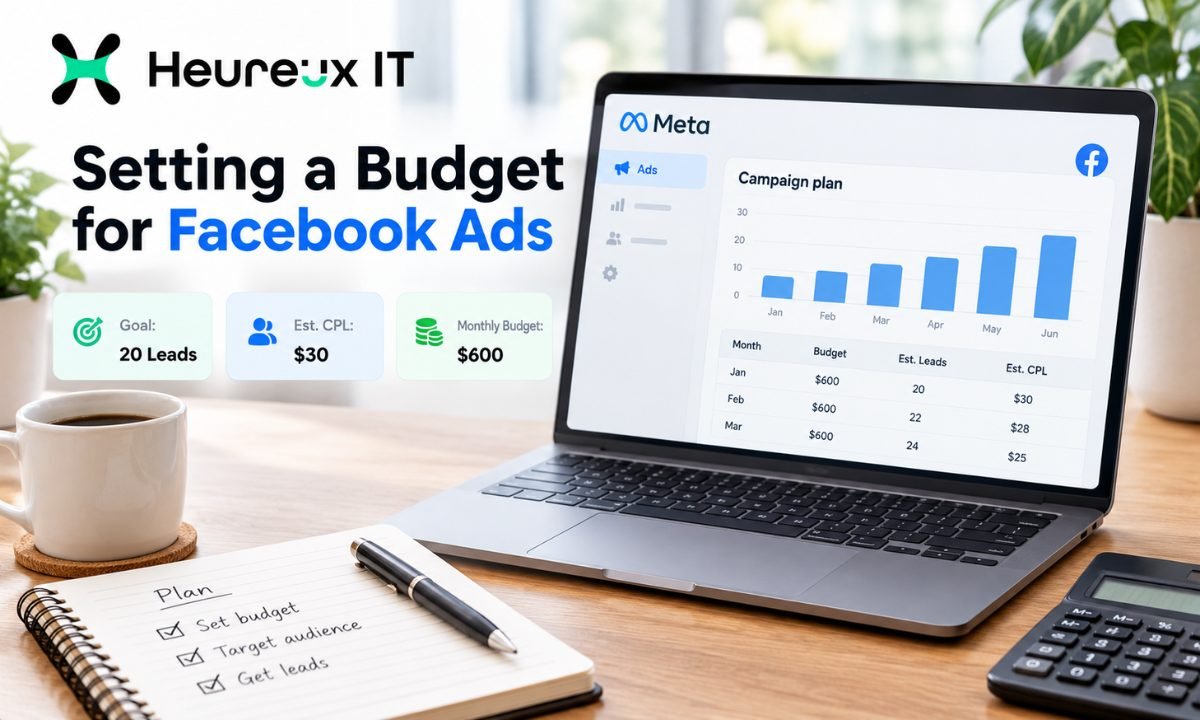
The company spends $600 and receives 20 inquiries.
Its CPL would be:
$600 ÷ 20 = $30 per lead
Now suppose five of those leads become paying customers.
The company has spent $120 in advertising for each new customer.
Whether that's a good result depends on the value of the services sold and the profit earned.
A $30 lead could be expensive for one business and profitable for another.
The goal should be to generate leads that have a strong chance of becoming customers, rather than simply chasing the lowest CPL.
How Much Do Facebook Ads Cost by Industry?
Facebook advertising costs can vary widely depending on your industry.
Businesses competing for high-value customers often face higher advertising costs because more advertisers want to reach similar audiences.
The table below shows illustrative lead-cost ranges for budgeting. These are not verified industry-wide 2026 averages.
| Industry | Illustrative CPL Range |
|---|---|
| Restaurants and Food | 20 |
| Local Retail | 35 |
| Home Services | 60 |
| Real Estate | 50 |
| Beauty and Personal Care | 65 |
| Professional Services | 80 |
| Financial Services | 100+ |
The actual numbers can fall outside these ranges.
For example, a restaurant promoting a discount might attract several low-cost inquiries. A financial services company may need more advertising spend to find people ready to discuss a major financial decision.
It's also important to consider what happens after the lead comes in.
If your sales team responds late, misses calls, or fails to follow up, even an efficient Facebook campaign may struggle to generate revenue.
Advertising performance and customer follow-up need to work together.
Setting a Budget for Facebook Ads for Businesses
One of the biggest mistakes businesses make is choosing a Facebook advertising budget without knowing what they want to achieve.
Some businesses start with $5 per day because it feels affordable. Others spend thousands every month without tracking whether the ads generate customers.
Neither approach guarantees success.
A good advertising budget should reflect your goals, expected lead costs, and the amount your business can afford to invest.
How Much Should a Small Business Spend on Facebook Ads?
Here's a simple guide to help you understand different budget levels.
| Daily Budget | Approx. Monthly Budget | Suitable Starting Goal |
|---|---|---|
| $5 | $150 | Limited initial testing |
| $10 | $300 | Testing one offer |
| $20 | $600 | Small local campaigns |
| $30 | $900 | Lead generation testing |
| $50 | $1,500 | Broader testing |
| $100 | $3,000 | Higher-volume campaigns |
These are examples based on a 30-day month.
A $10 daily budget may be enough to begin testing, but businesses with expensive leads may need more spending to collect useful data.
If your average lead costs $40, a $300 monthly budget might generate only seven or eight leads.
That's a small sample for making decisions.
The right budget should allow you to test campaigns, measure results, and make informed changes without putting unnecessary pressure on your business.
How to Calculate Your Facebook Ads Budget
Instead of selecting a random budget, start with the number of leads you want.
Suppose your business wants 30 leads each month.
You estimate that each lead will cost $25.
Your planned monthly budget would be:
30 Leads × $25 = $750
This means you would need approximately $750 in advertising spend to reach your goal if your CPL stays near $25.
Now assume 20% of those leads become paying customers.
That would give you six customers.
Your customer acquisition cost from ad spend would be:
$750 ÷ 6 = $125 per customer
This calculation helps you decide whether Facebook advertising is financially worthwhile.
Keep in mind that lead costs may change during the campaign, so your budget should remain flexible.
Daily Budget vs. Lifetime Budget
When creating Facebook campaigns, you can usually choose between daily and lifetime budgets.
A daily budget tells Meta how much you want to spend per day on average. Meta may spend more or less on individual days within its budget rules.
A lifetime budget sets the total amount you want to spend throughout a campaign's scheduled run.
For example, a local business promoting a three-day sale may prefer a lifetime budget.
A business running ongoing lead generation campaigns may prefer daily budgeting because it makes ongoing planning easier.
Both options can work well when your campaign goals and tracking are clear.
Want help turning this into results for your business?
Explore our Meta Ads services →What Factors Affect Facebook Advertising Costs?
Even businesses operating in the same industry can experience very different advertising costs.
Several factors influence how Meta delivers ads and how much advertisers pay.
1. Audience Targeting
Your audience size, location, and customer characteristics affect advertising costs.
For example, targeting a small group of people in a competitive location may cost more than reaching a broader audience.
However, broader targeting isn't always better.
Your ads still need to reach people who are likely to become customers.
A local business should focus on its actual service area rather than paying for unnecessary traffic from places it doesn't serve.
2. Competition
When more businesses compete to reach the same audience, advertising costs can increase.
This often happens during busy shopping seasons, holidays, and major sales events.
A business selling gifts may experience stronger competition toward the end of the year.
Planning campaigns around customer demand can help you manage these changes.
3. Ad Creative Quality
Your advertisement needs to catch attention and explain its value.
Images, videos, headlines, and offers influence how people respond to your ads.
Consider these examples:
Generic Ad: "We Provide Professional Plumbing Services."
Improved Ad: "Leaking Pipe or Clogged Drain? Book a Local Plumber Today."
The second message describes a specific problem and provides a clear next step.
Clear messages can help attract customers who need the service being advertised.
4. Campaign Objective
Meta offers campaign objectives such as awareness, traffic, engagement, leads, and sales.
The objective you choose influences how Meta looks for results.
A traffic campaign focuses on generating visits or clicks, while a lead campaign focuses on generating the lead action you've selected.
If your business wants inquiries, you should focus on the campaign objective and conversion events that support that goal.
5. Landing Page Quality
An advertisement can attract attention, but your landing page needs to turn that interest into action.
Slow-loading pages, confusing forms, unclear offers, and poor mobile layouts can reduce conversions.
Make sure your landing page includes a clear headline, useful information, and an easy way for customers to contact your business.
The message on the landing page should also match the advertisement that brought the visitor there.
Facebook Ads Management Costs
Your Facebook advertising budget and your total marketing cost are not always the same.
If you hire a freelancer or agency to manage your campaigns, you may need to pay for professional management.
The total cost can include advertising spend, campaign management fees, creative production, landing page improvements, and conversion tracking.
For example, suppose your business spends $1,500 per month on Facebook ads and pays $500 for management.
Your total monthly cost would be $2,000, excluding any extra creative or website expenses.
What Does Facebook Ads Management Include?
A professional Facebook ads management service may include:
- Campaign planning and setup.
- Audience research and targeting.
- Ad copywriting and creative testing.
- Meta Pixel and conversion tracking.
- Facebook campaign management.
- Budget adjustments.
- Facebook ad optimization.
- Lead and sales performance reporting.
Some providers charge a fixed monthly fee. Others charge a percentage of advertising spend, while some use a combination of both.
The right choice depends on your advertising budget, business goals, and the level of support you need.
Before choosing a facebook advertising agency, ask how campaign success will be measured.
A good management service should help you understand not only how much you're spending, but also what your advertising is producing.
At Heureux IT, we help businesses manage Facebook and Instagram advertising campaigns with a focus on campaign performance, lead generation, and measurable results.
How to Reduce Facebook Ads Costs Without Losing Results
If your Facebook ads are becoming expensive, reducing your daily budget may not solve the problem.
Start by reviewing how your campaigns are performing.
Here are some practical ways to improve advertising efficiency.
Test Different Ad Creatives
People respond to different messages and visuals.
Test different images, videos, headlines, and offers to understand what works for your audience.
For example, a home renovation business could compare an advertisement featuring a completed project with one showing a before-and-after transformation.
Keep the campaign objective consistent when testing so you can make a fair comparison.
Improve Your Audience Strategy
Review whether your targeting matches your business.
Avoid adding unnecessary audience restrictions that make it harder for Meta to find potential customers.
Where permitted, you can also test retargeting campaigns to reconnect with people who have visited your website or engaged with your business.
Review Your Campaign Placements
Facebook advertising can appear across different Meta placements, including feeds, Stories, and Reels.
Some placements may produce cheaper impressions or clicks than others.
However, the cheapest placement isn't always the one that generates the most customers.
Review performance by placement before deciding whether to make changes.
Improve Conversion Tracking
Without accurate conversion tracking, it's difficult to understand which campaigns generate leads or sales.
Make sure your Meta Pixel and relevant conversion events are working.
Where appropriate, Conversions API can help support conversion measurement alongside browser-based tracking.
Track important actions such as form submissions, purchases, and qualified leads.
Focus on Lead Quality
Imagine two campaigns with the following results:
| Metric | Campaign A | Campaign B |
|---|---|---|
| Advertising Spend | $300 | $300 |
| Clicks | 400 | 150 |
| Leads | 5 | 15 |
| Cost Per Lead | $60 | $20 |
Campaign A produces more clicks, but Campaign B produces three times as many leads.
If the leads are of similar quality, Campaign B provides better results.
This is why CPC alone shouldn't guide your advertising decisions.
Improve Your Landing Page
If customers click your ad but don't complete a form or purchase, review the landing page.
Check whether it loads quickly, works on mobile devices, explains the offer, and has a clear call to action.
Sometimes improving the landing page can increase conversions without increasing ad spend.
Are Facebook Ads Worth It for Small Businesses in 2026?
Facebook advertising can be a useful channel for small businesses, but results depend on how campaigns are planned and managed.
A local service business may use Facebook ads to generate appointments. An ecommerce store may focus on online purchases. A new business may use advertising to introduce its products to potential customers.
Each business should measure success differently.
For lead generation, important metrics include cost per lead, qualified leads, appointment bookings, and customer acquisition cost.
For ecommerce, businesses should monitor purchases, conversion value, return on ad spend, and profitability.
The key is to connect your advertising results with real business outcomes.
A campaign that generates cheap clicks but no paying customers may need improvement.
On the other hand, a campaign with higher advertising costs may still be profitable if it attracts customers who bring strong long-term value.
Final Thoughts
So, how much do Facebook ads cost in 2026?
There isn't one fixed answer.
Some businesses can begin testing with a small daily budget, while others need larger investments to generate enough leads or sales.
CPC, CPM, and CPL provide useful information, but they don't tell the whole story.
What matters most is whether your advertising produces results that support your business goals.
Start with a realistic budget, test your campaigns, and measure more than clicks and impressions.
If you want support with campaign setup, tracking, or ongoing optimization, learn more about Heureux IT's Facebook Ads Management Services.
The goal isn't to spend the least amount on Facebook ads. It's to make each advertising dollar work toward a useful business result.
Frequently Asked Questions
How much do Facebook ads cost per day? +
Businesses can start testing with small daily budgets, such as $5 to $20. However, the amount needed for meaningful results depends on your industry, campaign objective, and expected cost per conversion.
Is $5 a day enough for Facebook ads? +
A $5 daily budget can support limited testing or awareness campaigns. However, it may not provide enough data for businesses that need regular leads or sales.
How much do Facebook ads cost per 1,000 impressions? +
A broad planning range is around $3 to $20 per 1,000 impressions. Actual CPM varies based on competition, audience targeting, campaign objectives, and ad quality.
How much should a small business spend on Facebook ads monthly? +
The right amount depends on your business goals and expected cost per result. For example, a business targeting 20 leads at an estimated CPL of $30 would plan for around $600 in monthly advertising spend.
Why are my Facebook ads getting clicks but no leads? +
This can happen when your audience isn't relevant, the landing page doesn't match the advertisement, the offer isn't strong enough, or conversion tracking isn't working. Review each part of the customer journey before increasing your budget.
Are Facebook ads cheaper than Google Ads? +
Facebook ads may have lower average click costs than Google Search ads, but the platforms serve different purposes. Google Search often reaches customers actively looking for a product or service, while Facebook can help businesses generate interest and reach potential buyers. Compare conversions and customer acquisition costs rather than CPC alone.
Do Facebook ads work for local businesses? +
Yes, Facebook ads can help local businesses reach customers within their service areas. Results depend on the offer, audience, campaign setup, landing page, and follow-up process.
Do I need an agency to manage Facebook ads? +
Not necessarily. You can create and manage campaigns through Meta Ads Manager. However, professional facebook ads management can help businesses that need support with campaign setup, tracking, creative testing, and ongoing optimization.
_________________________________________________________________________
Tech Stuff
Heureux IT is a digital marketing agency specialising in Google Ads, Meta Ads and SEO. We help growing businesses turn paid and organic search into measurable revenue.